This ultimate baby proofing checklist is a must-have for any new parent. If you're here, chances are you have (or are about to have) a new baby in your life, and you've realized that kids can get into everything. From sharp furniture corners to the electrical outlets on every wall, there are hazards around every corner of your home.
Short on time? Download our free printable childproofing planner & checklist and work through it room by room.
Having a baby is overwhelming enough, and thinking about everything your little one can get into is stressful. That's why I put together this checklist: the 10 baby proofing must-haves that cover the biggest risks in most homes, so you can find some peace of mind.
When should you start baby proofing?
Ideally before your baby is mobile. Most babies start rolling around 4 to 6 months and crawling between 6 and 10 months, and once they're moving, they move fast. Tackling the items below while your baby is still stationary means you're not scrambling the day they take off across the floor. If your baby is already crawling, don't panic. Start with the highest-risk items (outlets, furniture tip-overs, stairs, and open floor vents) and work down the list.
The 10-item baby proofing checklist
1. Door knob covers and door locks

Babies have no sense of danger, and a toddler who can open doors can escape a bedroom at night, get into a closet full of cleaning supplies, or, worst of all, get outside. Door knob covers and lever locks keep curious fingers from turning handles. Parent.Guide has a helpful breakdown of how to baby proof each type of door in your home.
2. Electrical outlet covers

This is one of the most important items on the list. The last thing you want is a baby poking fingers or toys into an outlet. Outlet covers have come a long way: you can get simple plug-in caps for unused outlets, sliding plate covers that close automatically, and box covers for outlets that are in use. They're affordable and take minutes to install.
3. Drawer and cabinet locks

Pinched fingers are the least of it. Kitchen drawers hold knives, bathroom cabinets hold medication and cleaners, and low cupboards hold your favourite wine glasses. Lock anything they can open, and don't forget the toilet lid and, if messes are a concern, the fridge.
4. Stove knob covers

An often-missed kitchen hazard. A toddler who can reach the front of the stove can turn on a burner, or worse, turn on a gas stove without lighting it. Knob covers are inexpensive and available for most stove styles. You may not need these until your child is taller or climbing, but it's worth having them ready.
5. Corner guards and edge bumpers

Babies and toddlers are universally unsteady on their feet. Once they start pulling up and walking, they will bump into every corner of every table in your home. Corner guards and edge bumpers soften the blow. If you'd rather DIY, this video from That Lovely Feeling shows how to use pool noodles on edges and corners.
6. Nightlights

A nightlight is a safety item for you as much as for your baby. When you're up for a 3 a.m. feed or diaper change, you don't want to stub a toe in the dark, and you definitely don't want to flip on the overhead light and lose whatever sleepiness your baby had left. Mom Loves Best has a roundup of good options.
7. Anti-tip furniture anchors

Once babies start crawling, the very next thing they do is pull themselves up, and furniture is what they grab. Toddlers also climb. Unanchored dressers, bookcases, and TVs can tip onto a child. AnchorIt.gov reports that in the United States, 469 children died from furniture, TV, and appliance tip-overs between 2000 and 2019, and an estimated 11,300 children were treated in emergency rooms each year between 2017 and 2019. Anchor kits are cheap and take ten minutes. Babylist has a good list of anti-tip kits.
8. Baby gates
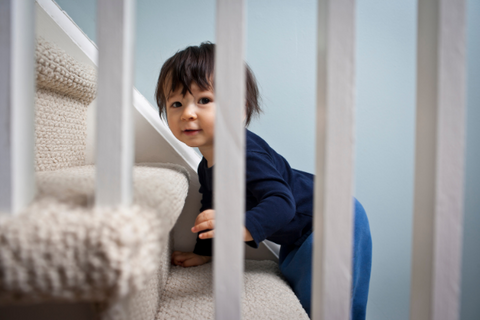
Gates aren't just for stairs, although you'll likely want one at the top and bottom. They're also how you keep a baby out of the kitchen entirely, or create a safe zone in the room where you spend the most time. What to Expect has a guide to the best baby gates for different layouts.
9. Window stops and guards

Window screens are not safety devices. I personally know more than one family whose toddler leaned on a screen and it gave way. Thankfully those ended with minor injuries, but why take the chance. Window stops limit how far a window can open, and window guards add a barrier. Lucie's List explains the options.
10. Childproof floor vent covers

Floor vents are the most overlooked item on any baby proofing checklist, because until recently there wasn't a real solution. Traditional registers lift right out, leaving a hole in the floor with sharp sheet metal edges and exposed screws, and giving your baby a dusty metal cover to chew on. Toys and food dropped into the duct can also mean an expensive HVAC service call.
GuardaVent childproof floor vent covers solve this. They screw into the subfloor inside the vent opening (so no holes in your hardwood or laminate), have a hinged lid for cleaning, and lock closed with two child-resistant tabs. Airflow is still fully adjustable. One size fits most 3"x10" and 4"x10" openings, in white, brown, or black, and they're made in Canada.
See how easy they are to install in this short video, or read our full guide on how to childproof floor vents without damaging your floors.
Room-by-room quick check
- Nursery: anchor the dresser and bookcase, cover outlets, secure blind cords out of reach, add a nightlight, childproof the floor vent.
- Living room: corner guards on the coffee table, anchor the TV, cover outlets, secure floor vents, tuck away cords.
- Kitchen: cabinet and drawer locks, stove knob covers, a gate at the doorway if you'd rather keep baby out entirely.
- Bathroom: toilet lock, cabinet locks for medication and cleaners, non-slip bath mat.
- Stairs and hallways: gates top and bottom, window stops on any low windows.
Baby proofing FAQ
What's the most important baby proofing item?
Outlet covers and furniture anchors address the most serious injury risks, so start there. Then move to stairs, windows, and anything with an open hole in the floor, like vents.
Do I need to baby proof if I'm always watching my baby?
Even the most attentive parent looks away for a few seconds, and that's all it takes. Baby proofing is a backup for the moments you can't be right there.
Can I baby proof a rental?
Yes. Most items on this list are removable and don't leave marks. GuardaVent, for example, screws into the subfloor inside the vent, not into the finished floor, so you can swap the original register back when you move.
How much does baby proofing cost?
Most homes can cover the essentials on this list for a few hundred dollars, and many items cost under $20 each. It's a small price compared to a single emergency room visit.
You've got the ultimate baby proofing checklist
These 10 items cover the biggest dangers in most homes. There's always more you can do, like putting breakables out of reach, tucking away electrical and curtain cords, and keeping small objects off the floor. Every family is different, and it's up to you to know your kids and choose what's right for your home. We don't judge here at Karymi.
Get your GuardaVent childproof vent covers here, and download our free childproofing planner & checklist to keep track as you go. Here's to a safer home, and maybe even a full cup of coffee or a bathroom break without an audience.